Pharmacy
Pharmacies play a vital role in keeping communities healthy. They’re often the most convenient place to get advice, treatment, and support for common health concerns – without needing an appointment.
When should you go to a pharmacy for health care?
Pharmacies are ideal for minor, non-urgent health issues, including:
- coughs, colds, and sore throats
- mild pain, headaches, or fever
- allergies and hay fever
- minor skin conditions (rashes, bites, stings)
- uncomplicated urinary tract infections
- digestive issues like heartburn or constipation
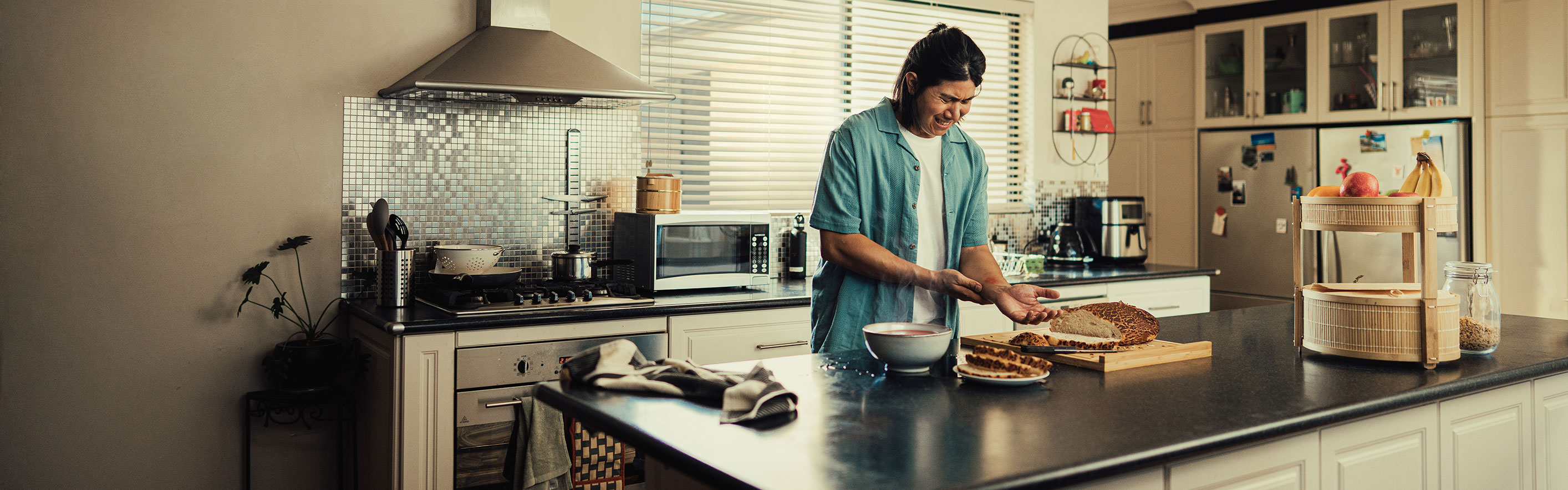
- minor wounds, cuts, and burns
- medication questions or concerns.
If your condition is mild and doesn’t require a doctor’s examination, a pharmacy is often the fastest way to get help.
Find a pharmacy near you
What services are provided at pharmacies
Most people visit a pharmacy because they need medicine. Many pharmacies offer more than just medication. Your local pharmacy can:
- help you with preparing and managing your medicine
- give advice on minor health problems, including if or when to see a doctor
- provide basic care for wounds and infections, including urinary tract infections (UTIs)
- give advice on healthy living and managing ongoing conditions such as diabetes or asthma
- offer common vaccines and simple finger-prick blood tests
- help you with screening for various conditions, such as diabetes, sexually transmitted infections (STIs), or bowel cancer
- give advice on common conditions in babies, such as nappy rash, constipation, or teething
- provide emergency contraception
- safely provide and dispose of needles and syringes.
First aid and looking after yourself
Many everyday injuries and illnesses can be safely managed at home. Knowing what to do and when to get help keeps you safe.
Common issues you can treat at home
- Minor burns: cool under running water for 20 minutes, then cover with a clean dressing.
- Cuts and scrapes: clean with water, apply pressure to stop bleeding, and cover with a bandage.
- Coughs, colds and fevers: rest, drink fluids, and use over the counter medicines if needed.
- Upset stomach: sip fluids often and eat bland foods when ready.
- Mild allergies or rashes: use antihistamines and cool compresses.
Managing minor issues at home helps you recover comfortably and keeps emergency services available for people with serious or life-threatening conditions.
For life-threatening symptoms like chest pain, difficulty breathing, severe bleeding, or sudden collapse go to an emergency department or call Triple Zero (000).
Symptom checker
Not sure where you need to go?
Use the online symptom checker to get the recommended care options for your symptoms and help you decide on what to do next.
This takes an average of 6 minutes to complete.